
TMD in Physiotherapy: Clinical Assessment, Reasoning and Evidence-Based Intervention
Practical and evidence-based training for the assessment and intervention of temporomandibular disorders.
30 January – 31 January 2027
15 Hours
Vila Nova de Gaia
Portuguese
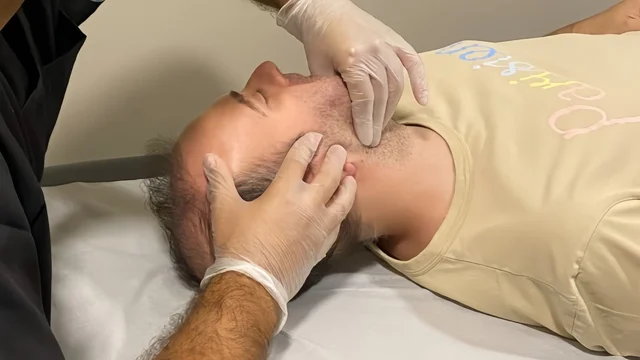

In this course, you will develop essential clinical skills to assess, diagnose, and intervene in temporomandibular disorders, integrating clinical reasoning, a biopsychosocial approach, and evidence-based practice.
Clinical Objectives
- Understand, in general, the epidemiology, etiology, pathophysiology, and taxonomy of temporomandibular disorders (TMD).
- Understand the anatomy and biomechanics of the temporomandibular joint (TMJ), associated structures, and the cranio-cervico-mandibular complex.
- Identify risk factors, comorbidities, and conditions frequently associated with TMD, including bruxism, obstructive sleep apnea syndrome (OSAS), and headaches.
- Perform a subjective and objective assessment of TMD, recognizing red flags and integrating relevant clinical and imaging findings, when applicable.
- Select and apply evidence-based physiotherapy assessment and intervention strategies for individuals with TMD.
- Understand the role of the multidisciplinary team in TMD management and know the main complementary therapeutic approaches.
- Evaluate the relationship between TMD and headaches, applying appropriate assessment and intervention strategies.
- Perform cervical spine assessment according to current clinical recommendations and guidelines.
- Apply evidence-based interventions for individuals with cervical pain associated with TMD.
- Integrate the acquired knowledge in solving clinical cases, developing clinical reasoning and decision-making skills.
Who is this for
Requirements
Bachelor's degree in Physiotherapy
Target Audience
- Physiotherapists
Training Programme
DIA 1
Fundamentals of TMD: Clinical Assessment, Reasoning and Evidence-Based Intervention
09:00 - 17:00
- Introduction to TMD - Etiology and Epidemiology
- Anatomy and biomechanics of the TMJ and surrounding structures
- Taxonomy of TMD
- Pathophysiology, risk factors, and comorbidities associated with TMD (bruxism, OSAS, headaches)
- Subjective assessment and clinical history (red flags)
- Objective assessment (articular and muscular); imaging
- Treatment and/or management of TMD
- Evidence-based practice "Physiotherapist's Toolkit"
- Exploration and practical component of the physiotherapeutic approach to TMD
DIA 2
TMD in Multidisciplinary Context: Headaches, Cervical Spine and Integrated Approach
09:00 - 16:00
- Multidisciplinary assessment and treatment (biopsychosocial model, use of pharmacology, botox, splints, surgical approach)
- Relationship, etiology and epidemiology between headaches and TMD
- Assessment and intervention of the physiotherapist in headaches
- Cranio-cervico-mandibular relationship with brief introduction to the anatomy and biomechanics of this complex
- Subjective and objective assessment of the cervical spine based on clinical guidelines
- Evidence-based physiotherapy intervention for cervical pain
- Case studies - clinical reasoning and discussion
- Review of the practical component based on clinical cases (and guided by trainees)

MAIN INSTRUCTOR
Dr. Hugo Dias
Physiotherapy
St. George's University Hospitals, Physio-on: Battersea, Kingston Dental Clinic, Parkside Hospital
View ProfileOther courses you may like
 Fisioterapia
Physiotherapy in Musculoskeletal Pain: from fundamentals to action
From the science of pain to clinical reasoning and person-centered intervention.
16h
Learn more → Ciências Forenses
Sexual Violence: from Prevention to Multidisciplinary Intervention
Integrated Approach for Professionals
16h
Learn more →